Crossbow Hunting
Crossbow Hunting Tips for Beginners: Deer Season Insights
Crossbow hunting tips for beginners heading into deer season: practice, playing the wind, staying still, ethical shots, common pitfalls and fixes, and…

As an Amazon Associate, this site may earn from qualifying purchases.
As an Amazon Associate, this site may earn from qualifying purchases.
Crossbow Hunting · Beginner Guide
Your first crossbow season should be exciting, not overwhelming. This friendly guide walks you through everything — from scouting and stand setup to the shot, the tracking, and the celebration.
So you have your first crossbow, you have practised in the backyard, and now the season is coming. What actually happens out there? If you are feeling a mix of excitement and nerves, that is completely normal. Every experienced hunter started exactly where you are now.
This guide is your friendly walk-through of a first crossbow season, step by step. You will learn how to scout, where to set up, how to make an ethical shot, and what to do after you release the bolt. No jargon, no gatekeeping — just clear, practical advice from hunters who remember their first season. Let us get you ready.
Before opening day, ask yourself one honest question: can I consistently put a bolt in a paper-plate-sized group at the distance I plan to hunt? For most beginners, that means being confident and accurate out to 20 or 30 yards. If you can do that reliably, you are ready. If not, spend more time at the range first — a clean, ethical shot is your responsibility to the animal.
You also need the legal basics covered: a valid hunting license, any required tags, and knowledge of your local season dates and rules. Take a hunter safety course if your state requires it. Being ready is part skill, part knowledge, and part respect for the animal and the law. Once those boxes are checked, the fun begins.
Here is a secret that separates successful hunters from frustrated ones: hunting starts long before opening day. Scouting means learning where deer eat, sleep, and travel. You cannot ambush a deer if you do not know where it will be.
Look for three things. First, food sources — fields, oak trees dropping acorns, and food plots. Second, bedding areas — thick cover where deer rest during the day. Third, and most important, travel routes — the trails deer use to move between bedding and food, usually at dawn and dusk. Fresh tracks, droppings, rubs on trees, and scrapes on the ground all tell you deer are using an area.
Use a trail camera if you can, and scout on foot in the off-season so you do not spook deer right before the hunt. The more you learn about deer movement in your spot, the better your odds. Time spent scouting is never wasted.
Once you know where deer travel, you set up to intercept them. Your two main choices are a treestand (elevated) or a ground blind (on the ground). Both work well for crossbow hunting.
A treestand gets you above a deer’s line of sight and helps keep your scent up and away. A ground blind hides your movement completely and is great for beginners, families, and cold or wet weather. Whichever you choose, set up downwind of where you expect deer to appear, because a deer’s nose is its best defense. Position yourself for a clear, close shot at that travel route — ideally 15 to 30 yards away.
⭐ BEGINNER MUST-HAVE
A comfortable, concealed setup is the biggest factor in first-season success. A pop-up ground blind hides your movement and keeps you out of the weather, while a good treestand gets you above a deer’s line of sight. Pick what suits your spot and comfort level.
Why it works:
Options and current price are shown on Amazon and can change — tap through to confirm.
You do not need a truckload of gear. Here is the practical first-season checklist:
This is the moment everything leads to, so slow down and get it right. Wait for the deer to give you a broadside or slightly quartering-away angle — this gives the clearest path to the vitals (heart and lungs). Aim just behind the front shoulder, about a third of the way up the body.
Only take the shot if the deer is calm, still, and inside the range you have practised. Do not rush. Settle your breathing, put the correct reticle mark on the spot, and squeeze the trigger smoothly. A crossbow holds the shot for you, so there is no need to hurry. If the angle is wrong or the deer is alert, wait — another chance is better than a bad shot.
The ethical hunter would rather pass on a marginal shot than risk wounding an animal. Patience is not just a virtue in hunting — it is a responsibility.
After a good hit, resist the urge to jump down and chase. Wait at least 30 to 45 minutes (longer for a marginal hit). A well-hit deer usually beds down and expires quickly if left undisturbed; a pushed deer can run a long way.
When you take up the trail, mark where the deer was standing and where it ran. Look for blood, and follow it slowly and quietly. Bright red, bubbly blood usually means a lung hit — a good sign. Take your time, mark your trail, and stay patient. Recovering your animal is the final, respectful step of the hunt. When you find it, take a quiet moment of gratitude — you earned it.
Nothing matters more than coming home safe. Follow these every single time:
Jake scouted a travel route between an oak flat and a bedding thicket, and set up his ground blind 20 yards downwind. On his third sit, a doe stepped out at last light, broadside, calm. He ranged her at 18 yards, settled his breathing, and made a clean shot behind the shoulder. He waited 40 minutes, took up a bright red blood trail, and found her 60 yards away. He did not do anything fancy — he did the fundamentals right. That is the whole game.
Pro tips:
For most beginners, 20–30 yards is the ethical range. Only shoot as far as you can consistently group well in practice. Closer is always better.
Both work. A ground blind is very beginner-friendly because it hides your movement and shields you from weather. A treestand gets you above a deer’s line of sight. Choose what fits your spot and comfort.
At least 30–45 minutes for a good hit, and longer for a marginal one. Waiting lets the deer bed down and expire nearby instead of running far.
Broadside or slightly quartering-away, aiming just behind the front shoulder about a third up the body — this gives the clearest path to the vitals.
Yes. A deer’s nose is its best defense. Play the wind first, and use scent-control clothing and spray to reduce your odor.
It happens to everyone. Stay calm, mark the spot, look for blood, and track carefully. Learn from it — every hunter has stories of lessons learned the hard way.
Affiliate disclosure: As an Amazon Associate, this site may earn from qualifying purchases at no extra cost to you. Prices and specs are shown on Amazon and can change.
Crossbow Hunting
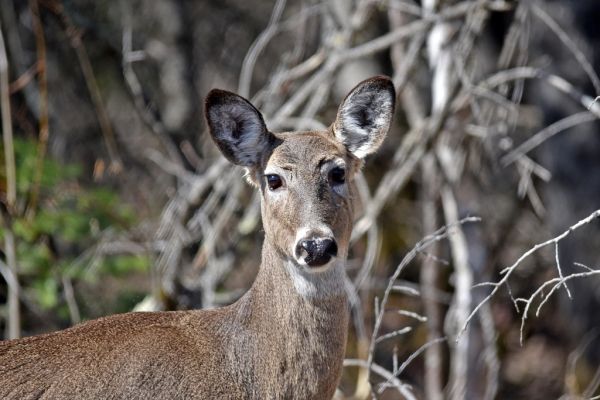
Crossbow hunting tips for beginners heading into deer season: practice, playing the wind, staying still, ethical shots, common pitfalls and fixes, and…
Crossbow Hunting
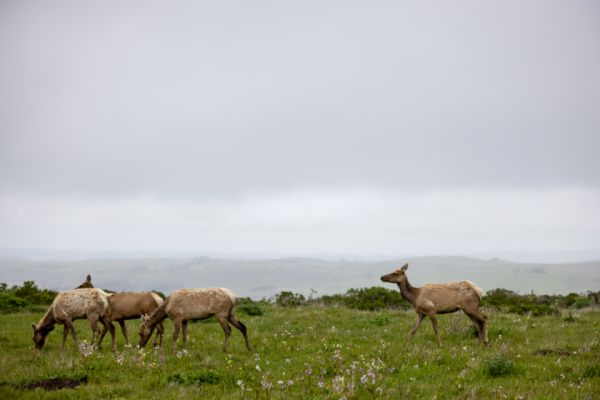
A beginner primer on the basics of crossbow hunting: the gear you need, safety fundamentals, understanding seasons and rules, and the first…
Crossbow Hunting
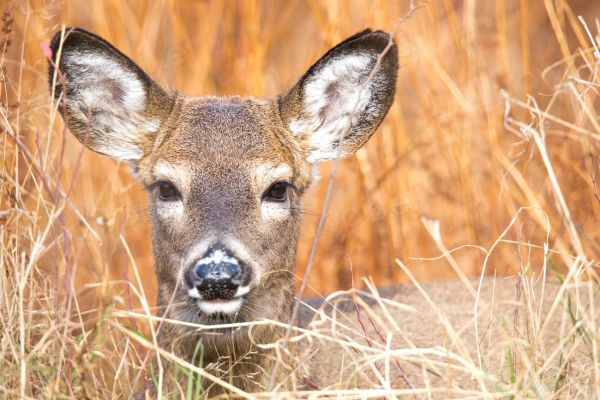
A plain-English crossbow deer hunting guide for beginners: scouting, setup, effective range, shot placement, essential gear, ethics, and a pre-hunt checklist.