Crossbow Accessories
Crossbow Cocking Devices: Rope Cocker vs Crank Explained
Rope cocker or crank? This guide explains how each crossbow cocking device works, their pros and cons, which is right for you,…

As an Amazon Associate, this site may earn from qualifying purchases.
As an Amazon Associate, this site may earn from qualifying purchases.
Turkey Hunting · Updated 2026
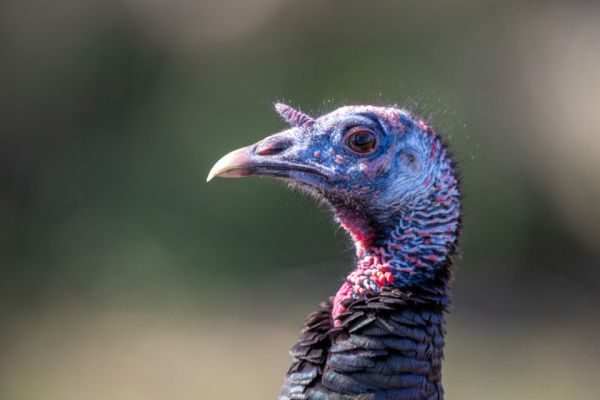
Turkeys have razor-sharp eyes and are one of the toughest bow targets around. Here is how to use a blind, decoys, and precise shot placement to fill your tag.
Bowhunting a turkey is a thrilling challenge. These birds have incredible eyesight and can spot the slightest movement, which makes drawing a bow on one genuinely difficult. But with the right setup — especially a ground blind, good decoys, and precise shot placement — it is very doable. This guide walks you through everything you need to hunt turkeys with a bow or crossbow successfully.
Turkeys live by their eyes. They notice movement instantly and will bust you the moment you try to draw in the open. They are also small targets with a compact vital area buried in feathers. That combination is why so many bowhunters struggle — and why the right setup matters so much. Solve the movement problem and the shot placement problem, and your success rate climbs dramatically.
A ground blind is the single biggest game-changer for bowhunting turkeys. It hides your movement so you can draw undetected, and turkeys generally are not alarmed by a blind, especially if it has been out a little while. Set up where birds want to be — near roosts, strut zones, or feeding areas — and keep the interior dark so your silhouette disappears.
⭐ GAME-CHANGER
A quality ground blind hides your draw from a turkey’s sharp eyes — the biggest key to bowhunting success. Pair it with decoys and you can pull birds into easy range.
Specs and current price are shown on Amazon and can change — tap through to confirm.
Decoys pull a tom’s attention away from you and, just as importantly, stop him in a spot you have ranged. A common setup uses a hen (and sometimes a jake) decoy placed within easy bow range of your blind. An approaching tom typically struts to the decoy, giving you a distracted, stationary target. Position decoys so the tom presents a broadside or slightly quartering shot.
Turkey vitals are small, so precision is everything. On a broadside bird, aim where the wing joint (the elbow) meets the body — that puts your bolt into the vitals. On a tom facing you with fan spread, some experienced hunters aim center mass at the base of the beard. Avoid low, feathery, or edge shots that only wound. When in doubt, wait for a clean, close, broadside opportunity.
| Turkey position | Aim point |
|---|---|
| Broadside | Where the wing joint meets the body |
| Facing away, fan up | Base of the tail/vent area |
| Facing you, strutting | Center of the chest, base of the beard |
On a broadside turkey, aim where the wing joint meets the body to hit the vitals. Adjust for facing-away or strutting angles.
It is highly recommended. A blind hides the movement of your draw, which is the hardest part of bowhunting these sharp-eyed birds.
Most bowhunters keep shots inside 20–30 yards because the vital area is small.
Yes. They pull the tom’s attention and stop him in a spot you have already ranged, setting up a clean shot.
Affiliate disclosure: As an Amazon Associate, this site may earn from qualifying purchases at no extra cost to you.
Crossbow Accessories
Rope cocker or crank? This guide explains how each crossbow cocking device works, their pros and cons, which is right for you,…
Crossbow Basics
Kinetic energy — not speed — is what drops game cleanly. Learn what KE is, how much you need for deer, hogs,…

Crossbow Comparisons
A decision-focused crossbow vs compound bow head-to-head: honest pros and cons of each, plus a simple four-question framework to choose the right…