Archery Basics
Common Archery Injuries and How to Prevent Them
The archery injuries archers most commonly face — shoulder strain, elbow tendinitis, string slap, and more — and the simple habits that…

As an Amazon Associate, this site may earn from qualifying purchases.
As an Amazon Associate, this site may earn from qualifying purchases.
Archery Basics · Updated 2026
Pulling a bow that is too heavy for you wrecks your form, your accuracy, and sometimes your shoulder. Here is what really happens — and how to pick a draw weight that helps you shoot your best.
New archers often think a heavier bow is a better bow. In reality, too much draw weight is one of the fastest ways to build bad habits, miss your target, and even hurt yourself. This guide explains exactly what happens when you try to draw a bow that is too heavy, and how to choose a draw weight that lets you learn good form and shoot accurately.
Drawing a bow that is beyond your strength causes a chain reaction of problems:
Why it matters: archery is about repeatable, relaxed form. A bow you have to fight makes that impossible.
Watch for these red flags:
⭐ BEGINNER-FRIENDLY
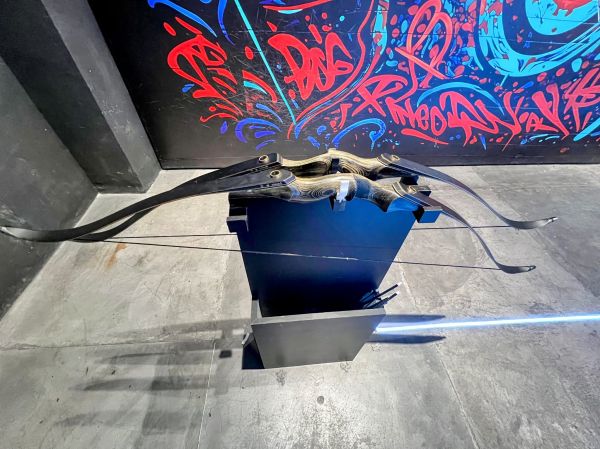
Learning on a manageable draw weight (many beginners start light) lets you build good form first. Adjustable or lighter-weight bows are ideal for developing archers.
Specs and current price are shown on Amazon and can change — tap through to confirm.
The right draw weight is one you can draw smoothly without straining and hold steady at anchor. A good test: if you cannot draw the bow slowly and under control while keeping the bow arm level (no skyward heaving), it is too heavy. Beginners are usually better served starting lighter, mastering form, then increasing weight gradually as their archery muscles develop.
| Situation | Too-heavy sign | Better choice |
|---|---|---|
| Drawing | Heaving the bow skyward | Smooth, level draw |
| At anchor | Shaking, cannot hold | Steady 3–5 second hold |
| After shooting | Shoulder pain | No strain or ache |
| Groups | Wild and inconsistent | Tightening with practice |
Your form breaks down, you cannot anchor consistently, accuracy drops, and you risk shoulder strain or injury.
You should be able to draw it smoothly and level, and hold at anchor for a few seconds without shaking or pain.
Usually yes. Starting lighter lets you learn good form, then you can add weight as your muscles strengthen.
Yes. Repeatedly straining the shoulder joint can cause real injury. Never push through pain.
Affiliate disclosure: As an Amazon Associate, this site may earn from qualifying purchases at no extra cost to you.
Archery Basics
The archery injuries archers most commonly face — shoulder strain, elbow tendinitis, string slap, and more — and the simple habits that…
Archery Basics
Canting is tilting your bow sideways, a sneaky accuracy killer that grows with distance. Learn what it is, why it hurts your…

Archery Basics
The essential rules of archery explained: range safety rules, whistle and verbal commands, range etiquette, and how scoring works — everything a…