How to Hunt a Deer With a Bow: A Step-by-Step Guide
As an Amazon Associate, this site may earn from qualifying purchases. How we make money
In this article
- How to hunt a deer with a bow 🦌
- Step 1: Scout and pattern the deer
- Step 2: Set up smart
- Dead Ringer The Butcher Broadheads (100 gr, 3-Pack)
- Step 3: Make the shot
- Step 4: Wait, then track
- Mistakes to avoid
- Pro tips
- FAQ
- How close do you need to be to bowhunt a deer?
- Where do you aim on a deer?
- How long should I wait before tracking?
- Is bowhunting hard for beginners?
- Bowhunting checklist ✅
Deer Hunting · Updated 2026
How to hunt a deer with a bow 🦌
Bowhunting deer is close, quiet, and deeply rewarding. This step-by-step guide covers scouting, setup, the shot, and the tracking — everything a new bowhunter needs.
Bowhunting a deer is one of hunting’s greatest challenges and thrills. Whether you use a compound bow, a recurve, or a crossbow, success comes down to the same fundamentals: find the deer, stay hidden, make a clean shot, and recover it responsibly. This guide walks you through the whole process in plain English so you can head into the woods prepared and confident.
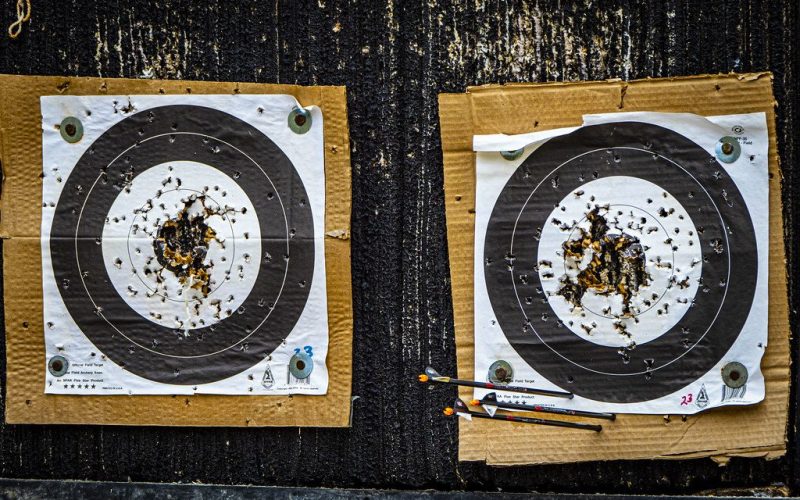
💡 Quick answer: Scout for deer sign and set up downwind of a travel route. Practice until you group tightly, keep shots close (often 20–30 yards for vertical bows), aim for the heart-lung area behind the shoulder, then wait and track carefully.
Step 1: Scout and pattern the deer
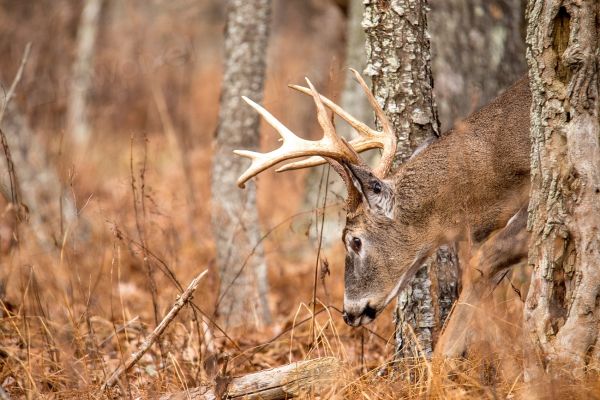
Great hunts start with homework. Look for trails, tracks, droppings, rubs, and scrapes, and identify where deer bed, feed, and travel between the two. Trail cameras help you learn when deer move. The goal is to set up where you expect a deer to walk during legal shooting hours.
Step 2: Set up smart
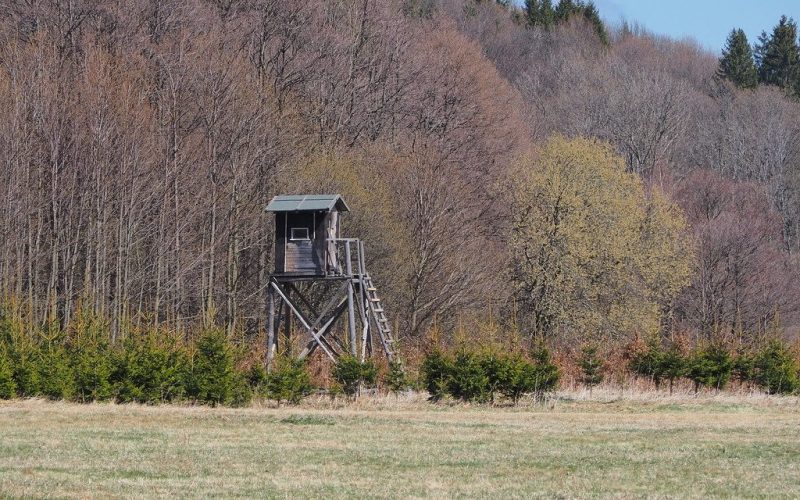
Choose a tree stand or ground blind near a travel route, and always play the wind — set up so your scent blows away from where you expect deer. Get settled early and stay still and quiet. Range nearby landmarks so you know exact distances before a deer arrives.
⭐ MAKE IT COUNT
Dead Ringer The Butcher Broadheads (100 gr, 3-Pack)
The broadhead does the work on the animal, so it is worth getting right. Sharp, reliable broadheads that fly like your practice points are the key to a clean, ethical harvest.
- ✅ Fixed 100-grain broadhead
- ✅ 1 1/16" cutting diameter
- ✅ Designed for penetration on lower-energy setups
- ✅ Practise with them before your hunt
Details above are from the seller’s Amazon listing (checked October 2026). Specs and price can change, so confirm on Amazon before you buy.
Step 3: Make the shot
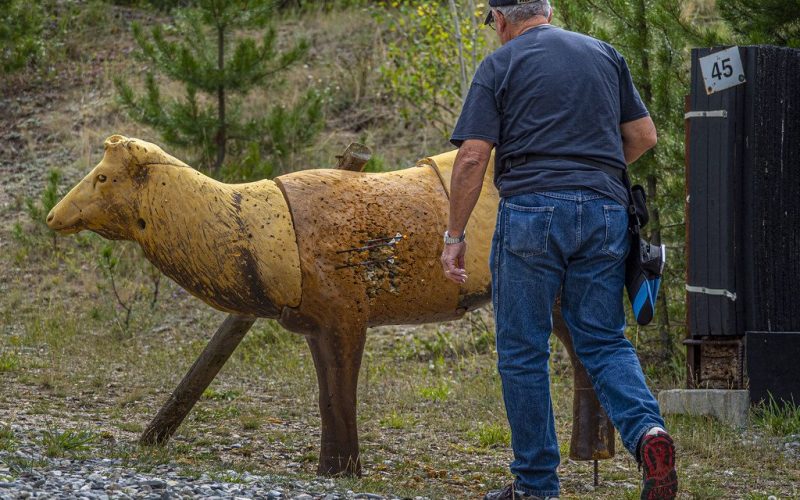
Wait for a deer to reach a comfortable, close distance and a good angle. Aim for the heart-lung vital zone, just behind the front shoulder, about a third of the way up the body on a broadside deer. Draw or aim when the deer’s head is behind cover, settle your breathing, pick a small spot, and release smoothly. Take only high-percentage shots.
| Angle | Take the shot? | Aim |
|---|---|---|
| Broadside | Yes (best) | Behind the shoulder, lower third |
| Quartering away | Yes (excellent) | Toward the far shoulder |
| Quartering toward / head-on | Usually no | Wait for a better angle |
Step 4: Wait, then track
After the shot, note where the deer was standing and where it ran. Then wait — often 30 minutes or more for a good vital hit — before following, so you do not push a wounded animal. Take up the blood trail slowly and patiently, marking sign as you go. Responsible recovery is part of ethical hunting.
⚖️ Check the rules: Seasons, legal hours, and equipment rules vary by state and species. Confirm your local regulations before you hunt. This guide is educational, not legal advice.
Mistakes to avoid
⚠️ Ignoring the wind. Deer smell you and vanish. Fix: always set up downwind.
⚠️ Shooting too far. Long shots risk wounding. Fix: keep shots within your proven range.
⚠️ Tracking too soon. Pushing a deer ruins recovery. Fix: wait, then track carefully.
Pro tips
- Practice from your real hunting position — sitting, standing, or from a stand.
- Use scent control and enter your setup quietly.
- Be patient — the best bowhunters let deer come to them.
FAQ
How close do you need to be to bowhunt a deer?
For vertical bows, most shots are 20–30 yards. Crossbows can stretch a bit farther, but keeping shots close improves accuracy and ethics.
Where do you aim on a deer?
The heart-lung zone, just behind the front shoulder and about a third of the way up, on a broadside deer.
How long should I wait before tracking?
For a good vital hit, often 30 minutes or more, so you do not push a wounded deer.
Is bowhunting hard for beginners?
It has a learning curve, but with practice, good scouting, and patience, new hunters can absolutely succeed.
Bowhunting checklist ✅
- Scout trails, food, and bedding areas
- Set up downwind near a travel route
- Range your shooting zones in advance
- Keep shots close and broadside or quartering away
- Aim for the heart-lung vitals
- Wait, then track patiently
Affiliate disclosure: As an Amazon Associate, this site may earn from qualifying purchases at no extra cost to you.